
Spare parts business
Wear part and spare part
What the shift changes, and what the machine needs once in its life. Both can sit on the drawing, but they should not carry the same weight.
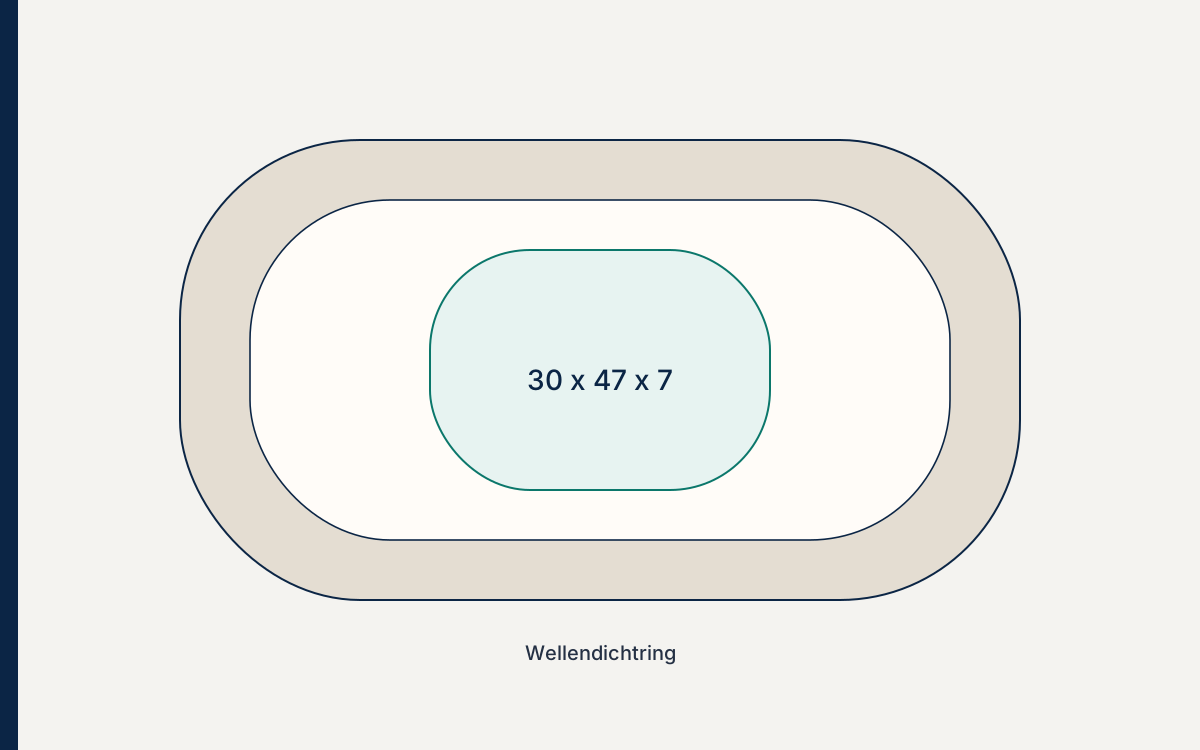
The bill of materials records what is fitted. The request records what someone wants. Between those two lists sits a difference that ordinary language flattens. Sales says spare part. Service says wear part. A spare part can be anything, from a screw to the frame. A wear part is what gets used up on a known path: a lining, a knife, a seal, a bearing that runs to a cycle rather than to the life of the machine.
If the sheet gives both the same volume, the customer either orders too much or cannot find the one part that matters, because twelve screws carry the same visual weight as the knife. The drawing may be complete. The surface people order from may still weight the parts. Weighting is not hiding. It means the part the shift changes is recognisable as that part, and the part needed once stays reachable without standing in the front row.
What the shift actually changes
Ask service, not the bill of materials. The bill of materials is complete from design's point of view. Service carries a short list in the head, and that list is the catalogue the customer needs. When the two lists diverge, frequency sits closer to service, and the number sits closer to design. The drawing is where they meet: design's number, arranged in the order of use that service already knows.
A part that is never changed on its own does not need a balloon, even if it stands in the list. A part that is always changed with another can keep two positions, and one sentence in the name that says so. That sentence stops the half order: the lining arrives and the adhesive is missing, or the knife arrives and the mating bearing stays the old one. Whether you offer the two parts as a pair is a decision in the quote. The drawing can show that they belong together without forcing the pair.
One-off parts are not a nuisance
The frame, the hood, the rare sensor: they are ordered when something has gone wrong, not on a rhythm. They belong on the sheet if the customer must be able to name them. They do not belong in a bin labelled unimportant, which is how parts become invisible. Invisible is the state in which the customer describes the part and you go looking. Visible and quiet, at the edge of the drawing, is enough.
The quantity in the list for these parts is often one. The order quantity is often one as well. The customer still sets it. The list does not. A rare part that arrives twice is an expensive mistake. The drawing should not take that decision away from the person who can see the machine.
The list in the head ages
Service knows what wears today. After a change, something else wears, or the same part lasts longer and the calls thin out. The drawing does not notice this by itself. A release five years old can still show the wrong front row. That is no reason to release again every week. It is a reason to check the front row when inside sales says people are now asking for a different part than the one drawn large on the sheet.
The check is a conversation between service and the person who holds the release. It is not a dashboard. A dashboard would show a frequency you may not count cleanly. The conversation counts the calls inside sales still has in the ear. That is enough to bring a part forward, or to set one back, on the next revision of the sheet. Not silently on the old one.
Loud and quiet on the same sheet
Loud means the position can be hit without a search. A large balloon, a clear leader line, the name in the first line of the list, not on page three among the screws. The fitter knows which part is in the hand. He should find the number before the shift wants to move on. A drawing that hides the knife among forty identical circles is complete, and for that moment it is useless.
Quiet does not mean invisible. The hood, the rare sensor, the strip that breaks only when something else is wrong: they stay on the sheet, each with its own position and its own part number. Whoever looks for them finds them. Whoever looks for the knife does not have to cross them first. That is arrangement and line weight. It is not omission. Leaving a part off the sheet produces the description on the phone, and the description is the expensive path for the parts that are rare and therefore hard to explain.
Screws that nobody orders alone do not have to break that quiet. They can stay in the bill of materials without a balloon, once service confirms they only travel with the assembly. If they get a balloon because a customer once needed them separately, the balloon stays quiet. A sheet on which every washer shouts like the knife has no front row left. The customer then taps the washer, because it lay closer to the finger.
Pairs and half orders
Some wear parts belong together without sharing a part number. Knife and counterpart. Lining and the kit that holds it. Seal and the groove that exists only in a certain revision. The drawing can show this by placing the two positions side by side and letting the name state the link. It should not drop the second position into the request by itself. The customer sets the quantity, even when the quantity is zero, because the counterpart is still on the shelf.
Inside sales may ask, in the quote, whether the pair was intended. That is a factual question, not a correction of identity. The position has already named the part. The question is about completeness. An automatic add-on would be the bill of materials ordering past the order. Both sides have already seen parcels that came back half unused.
The front row is a release decision
Loud and quiet are fixed at release, not redrawn on every page view. The customer should find the same sheet a week later, when the second knife is due. A front row that reshuffles itself after the last call makes the position wander. Positions do not wander. What may change is the next revision of the sheet, released on purpose, for the serials that receive it.
Until then the conversation holds. Service says what people are asking for. Design says which number that is, and whether a successor is on the way. Release sets the front row and leaves the rare parts visible. None of the three needs a counted frequency for this. They need the sheet, and a memory of the calls from recent months. That is imprecise, and it is enough. A false precision that turns a half-finished export into a ranking sorts the sheet by a data error and calls the result control. Let people who know the station sort the sheet.
By Clemens Jonathan Schmid
Related articles
All articles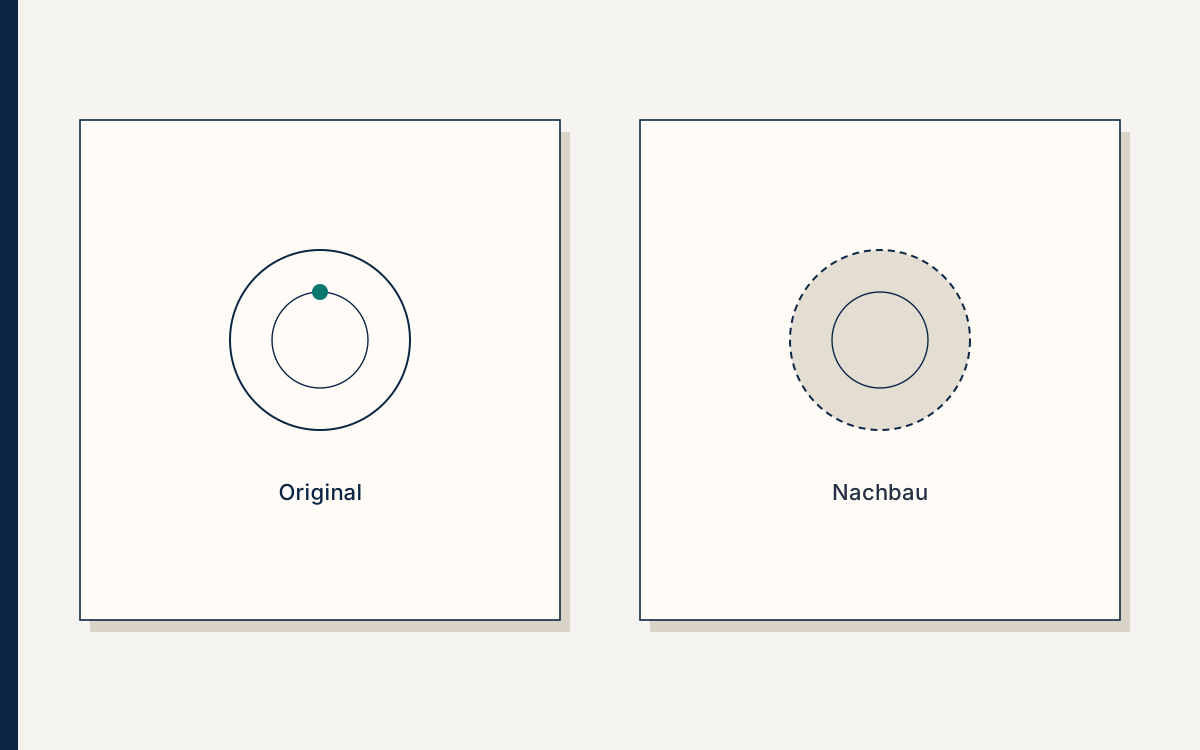
Spare parts business
People who cannot find the position order somewhere else
A copied part is often the answer to a drawing the customer could not use.
By Clemens Jonathan Schmid6 min read
Spare parts business
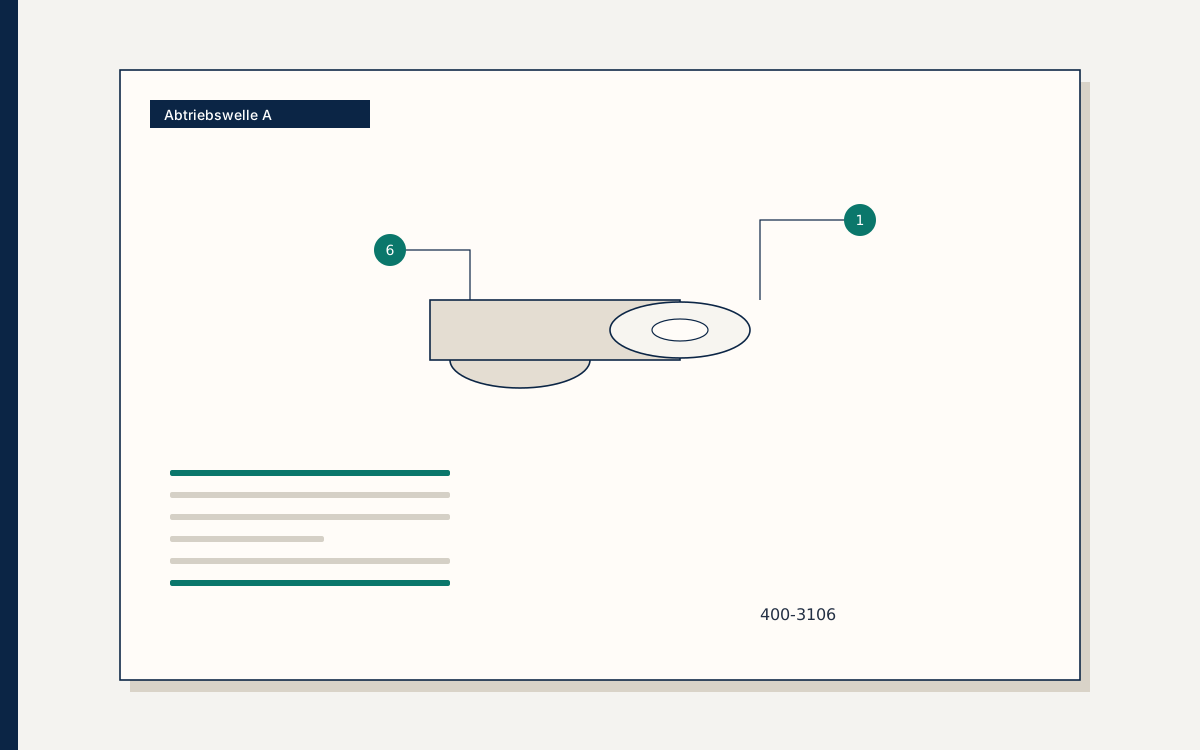
The spare-parts inquiry hangs on the drawing
An inquiry without a position on the drawing is a description, and inside sales has to guess which part is meant.
By Clemens Jonathan Schmid7 min read
Operation
One assembly is enough for the first trial
One sheet, one bill of materials, the serial numbers that belong to it. That shows whether the path holds before the whole family is documented.
By Clemens Jonathan Schmid8 min read