
After-sales
The inquiry arrives, and the quotation stays yours
The portal collects the inquiry, while price, lead time, and stock stay in the manufacturer's quotation.
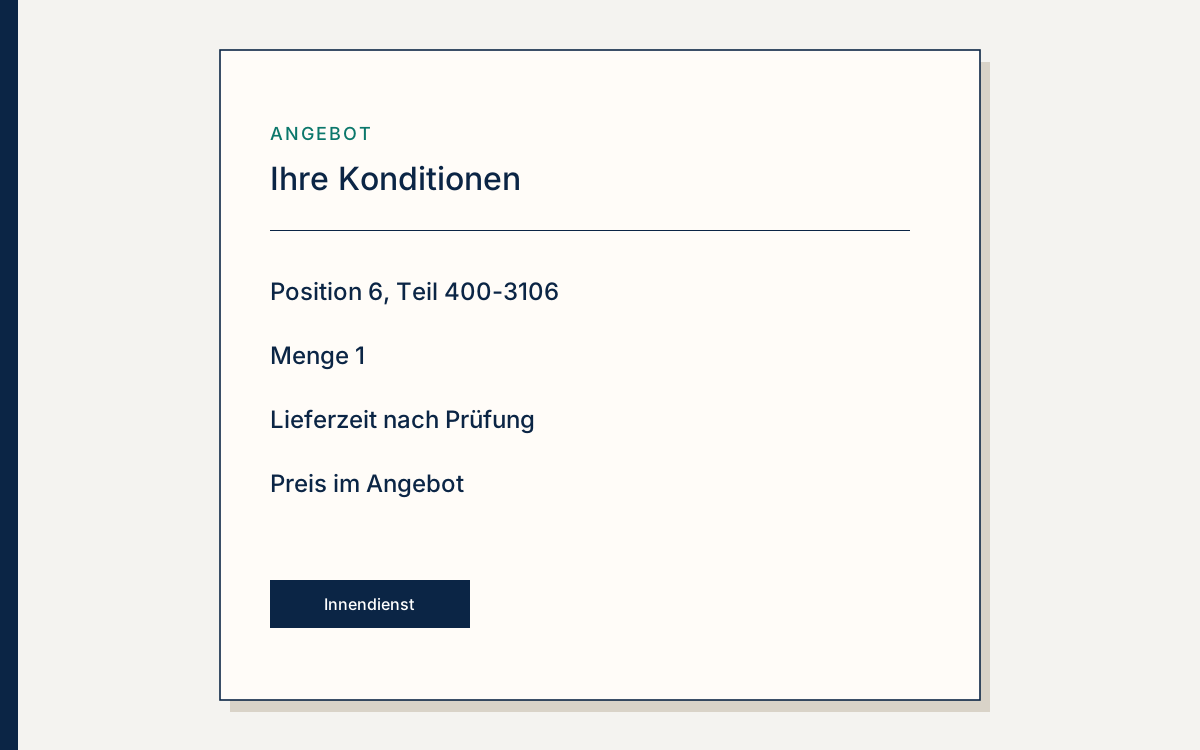
The email is short. Series, assembly, position, part number, designation, quantity, and a sentence that the number has a successor. On the phone the customer has already asked the price, while still tapping the mark. None stood on the drawing. Inside sales does not open a cart. They open the costing they already know for this part, look in the warehouse, look at the series, and write the quotation as they did last week for another station. The line saved the search. It did not take the price off their hands.
That is the split the spare-parts business can bear. The inquiry arrives complete, without a figure in euros. The quotation stays yours.
An inquiry without a price is finished
Finished means another person can make a case from it without calling back to ask which part was meant. For that, the line holds series, assembly, position, part number, designation, and quantity. The customer set the quantity, not the bill of materials. The bill of materials says how often the part is fitted. The customer says how many they want now. One is a valid value.
No price stands in that line, and the line is not incomplete for it. Price is the answer to the inquiry, not a field the customer must fill so you understand them. Lead time is not in the line. Stock is not in it. Force those three in, and you ask the customer for information only you can give, or you show information nobody has checked.
"Prices on request" is a factual state, not a phrase you later replace with a number. Inside sales writes the price. The drawing does not. A balloon has a position. The position has a part number. In your costing that number has a price, which can depend on the series, the lot, remaining stock, or a special build. The quotation resolves that. It does not sit on the sheet as a fixed number the customer taps. The successor note is not a price statement either. It names the new number, the old one stays findable, and the quotation says which box will go.
Who writes the price and the date
Inside sales writes the price into the quotation, with the conditions you already use for this customer. Payment terms, a quantity scale, a minimum quantity, the note that a replacement comes from remaining stock and the successor has another name. A drawing does not have to know those sentences. You know them because you run the business. A screen that sets the price from a table beside the balloon pretends the table is always the house's current will. Tables age. Quotations are written on the day the inquiry arrives.
Lead time is the same kind of sentence, only about days rather than money. It depends on whether the part is in stock, whether it will be made, whether a supplier still carries the variant, and whether the series needs a version other than the one in the bin. "Five days" on the drawing would be wrong the day the bin is empty. Inside sales states the figure that is true today, or says they cannot state it yet. Either is a quotation or a reply. Either is better than a number standing on the sheet by itself.
Stock is the most delicate of these statements. It looks like a fact and is often a snapshot with a reservation. Many spare-parts warehouses do not run a catalog item with a traffic light. They search, they manufacture, and they may pull a part for a stopped machine out of another order. An "available" the customer has already seen, before anyone looked, produces the email you do not need: you showed it. The promise belongs in the quotation, after someone has looked. Before that, it is a claim.
No checkout, no posting
The line leaves the portal as an email or a CSV. The columns are series, assembly, position, part number, designation, quantity, and the successor note. A person takes them into the case that already runs in your house. They see an implausible quantity, or a series written differently in the file, because they are creating the case, not because an interface posted overnight.
There is no checkout on this path. No payment, no cart that triggers an order, no write that creates an ERP position nobody wanted. The customer sends the inquiry. You send the quotation. Whether an order follows is decided by the people who have always decided it, at the price you set. A checkout on a line whose price is not fixed yet collects a sum you then have to explain or credit.
What a shop would have needed on top
A shop would have needed fixed prices before the customer presses a button. Fixed means the number holds without inside sales writing it again the same day. For a machine builder's spare parts, that is conceivable for some wear parts and wrong for many positions. A special length, a minimum lot, a part that now ships only from remaining stock, a successor priced differently from the number on the old sheet. "Prices on request" describes that situation. A shop that shows a number anyway shows one the quotation then has to correct.
A shop would also have needed a stock promise you can keep. Available or not, visible before any quotation exists. Partmira does not give that promise. It collects the inquiry and leaves warehouse and date to the quotation. A traffic light beside the part number would be a second statement, next to the drawing, and harmless only if the warehouse covers it every day. If not, the light is the more expensive mistake, because the customer has read it.
Payment would come on top, with a receipt, a cancellation, and the question of a part that does not fit. That is its own project. It does not answer which part was meant. That question is already settled, or not settled, beforehand. A shop on an uncertain position only sells the uncertain position faster. Partmira leaves that out. No checkout, no invented stock, no price on the sheet. A number on the drawing would be a promise inside sales never gave. Partmira does not make it.
The quotation stays the document
What the customer has in hand at the end is your quotation, not an order confirmation from a button. It states the part, the quantity, the price, the lead time, and the conditions you set. The inquiry supplied the first two of those, the part and the quantity, together with series, assembly, position, designation, and the note when the number is superseded. You write the rest.
The customer can already want the price on the phone while they tap the mark. The conversation gets shorter, because nobody still has to describe which part was lying next to the finger. The price is still set by you.
Prices on request therefore means this. The drawing is finished without a price. The inquiry is finished without a price. The price comes into being where it has come into being until now, in the manufacturer's quotation. Stock and lead time come into being in the same place. As long as that remains so, there is nothing to take payment for and nothing to post before you have written the quotation. The inquiry has arrived. The quotation is yours.
By Clemens Jonathan Schmid
Related articles
All articles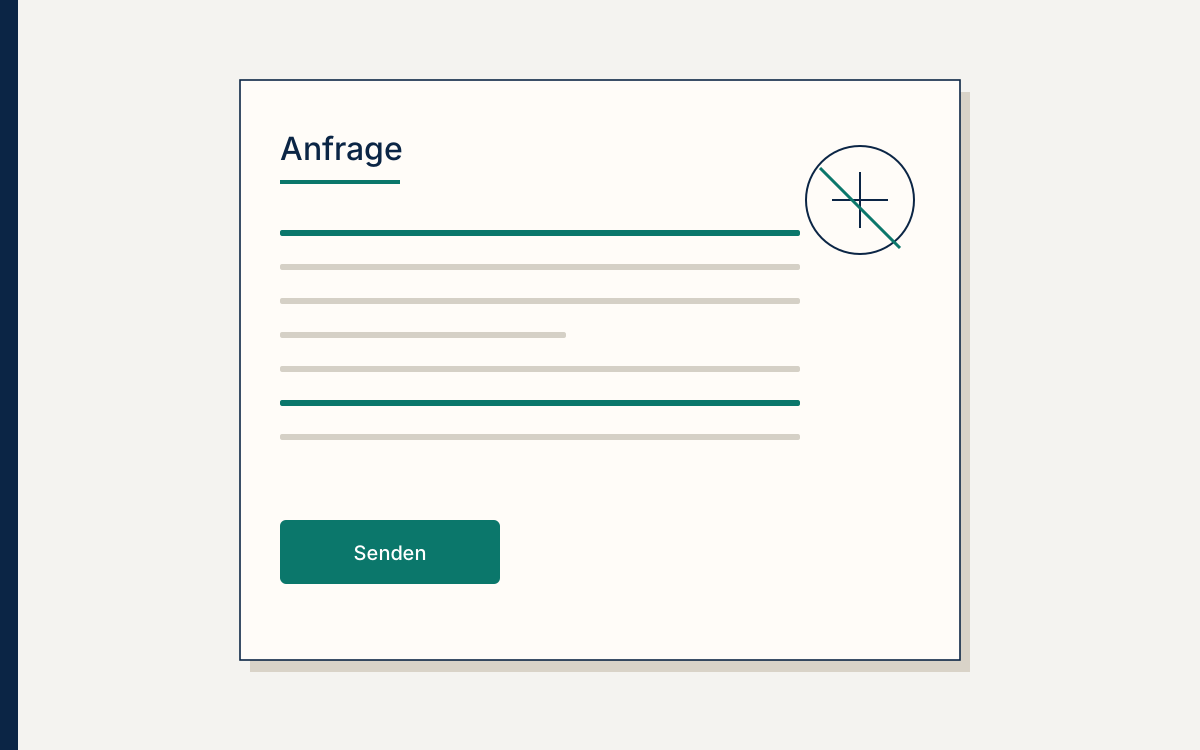
After-sales
After-sales revenue starts with the right inquiry
The spare parts business lives on the right line, while payment, stock, and returns are a different project.
By Clemens Jonathan Schmid6 min read
Operation
The drawing stays with the manufacturer
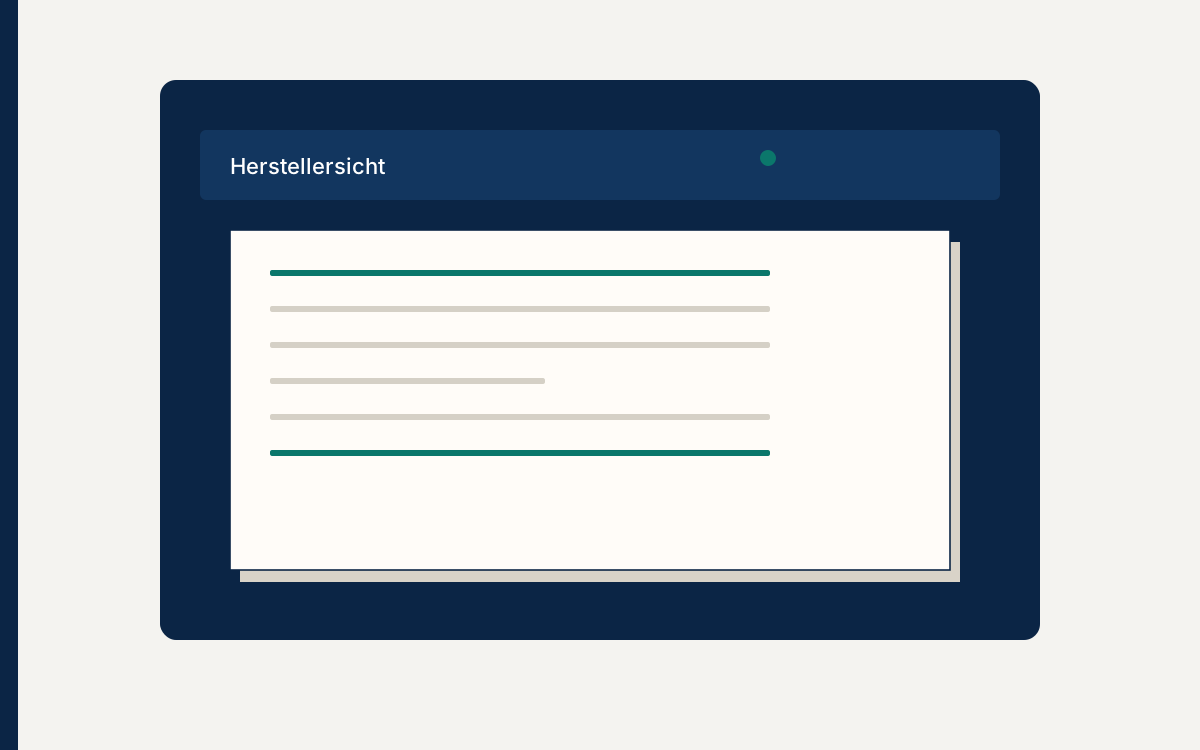
The manufacturer keeps the drawing, the customer sees the released assembly, and hosting in Germany is a plan.
By Clemens Jonathan Schmid8 min read
Operation
Mark the gaps in the bill of materials
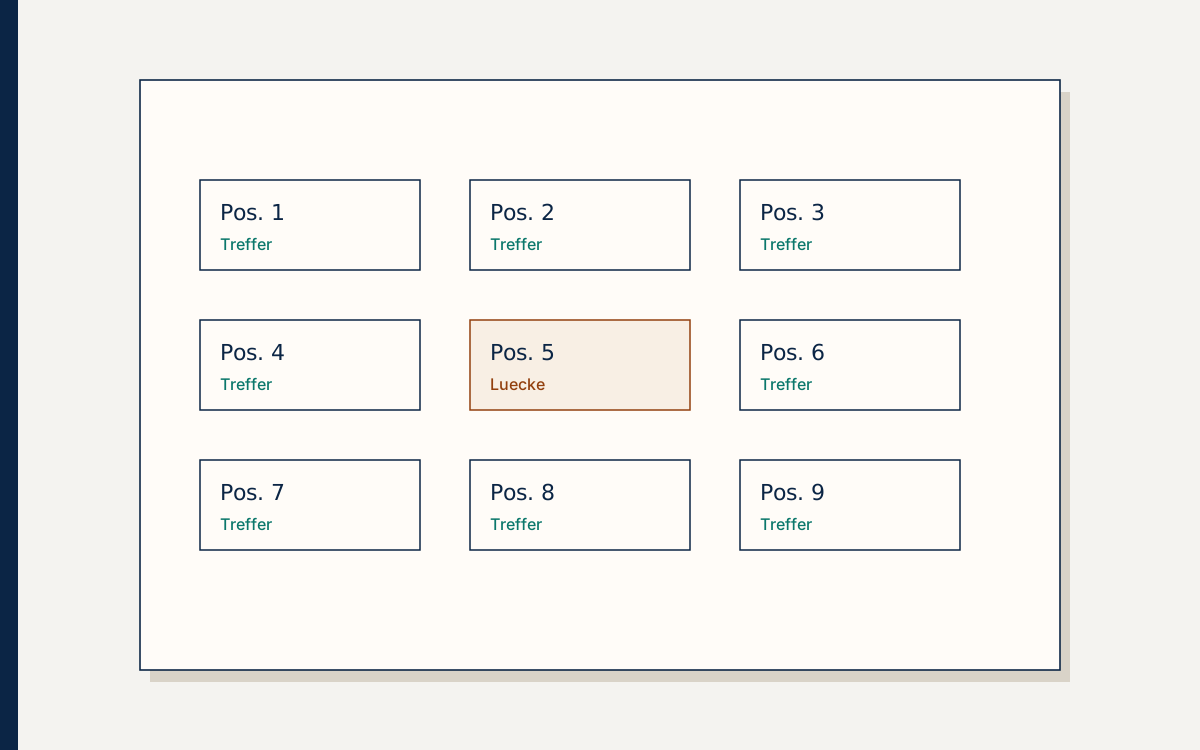
Missing bill-of-materials lines and unknown numbers stay marked until a person closes them before release.
By Clemens Jonathan Schmid6 min read